Exhibits
Explore the American Jazz Museum's exhibits and collection — artifacts that tell the story of jazz's impact in Kansas City, the nation, and the world.
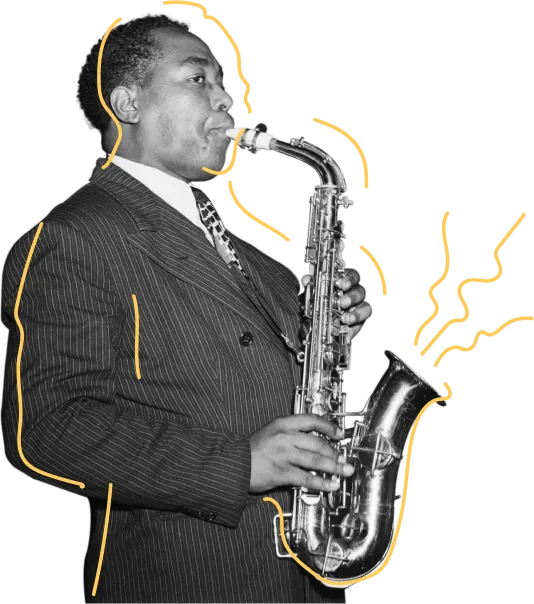
Now featured
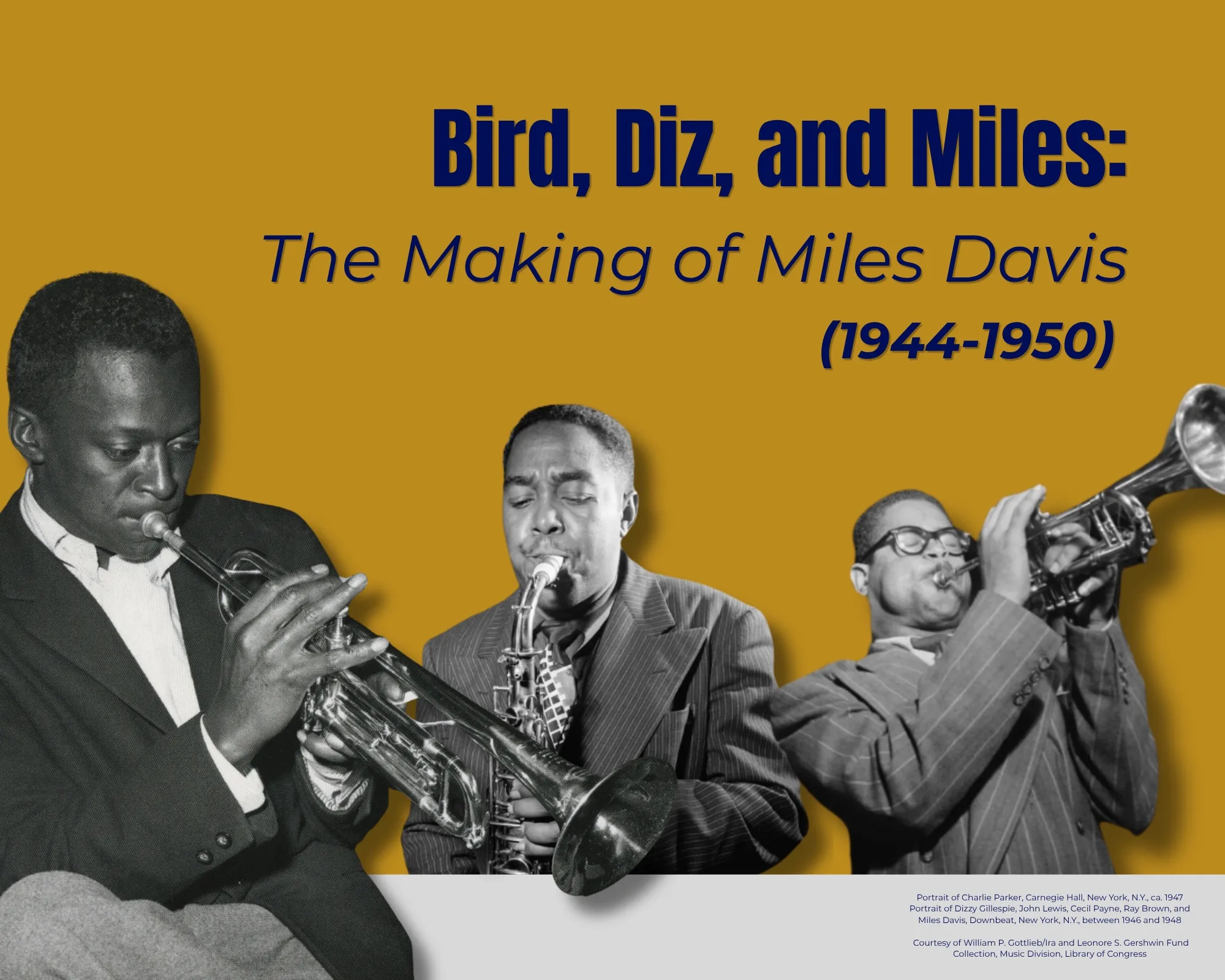
Bird, Diz, and Miles: The Making of Miles Davis
Extended due to popularity — on view in the Ida McBeth Gallery through August 30, 2026. The formative years of Miles Davis as he came of age in the revolutionary world of bebop — playing alongside Charlie Parker and Dizzy Gillespie, and absorbing the sounds that would shape his own groundbreaking voice.
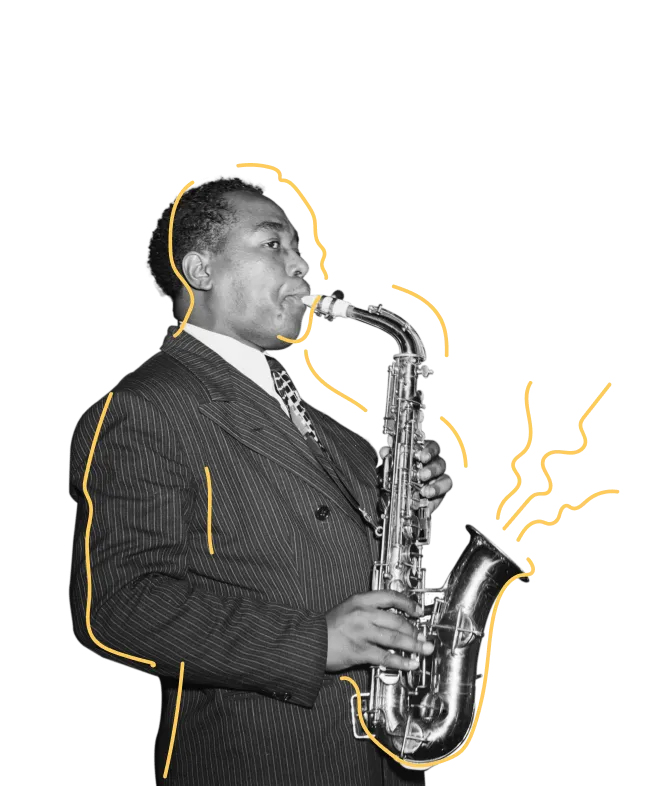
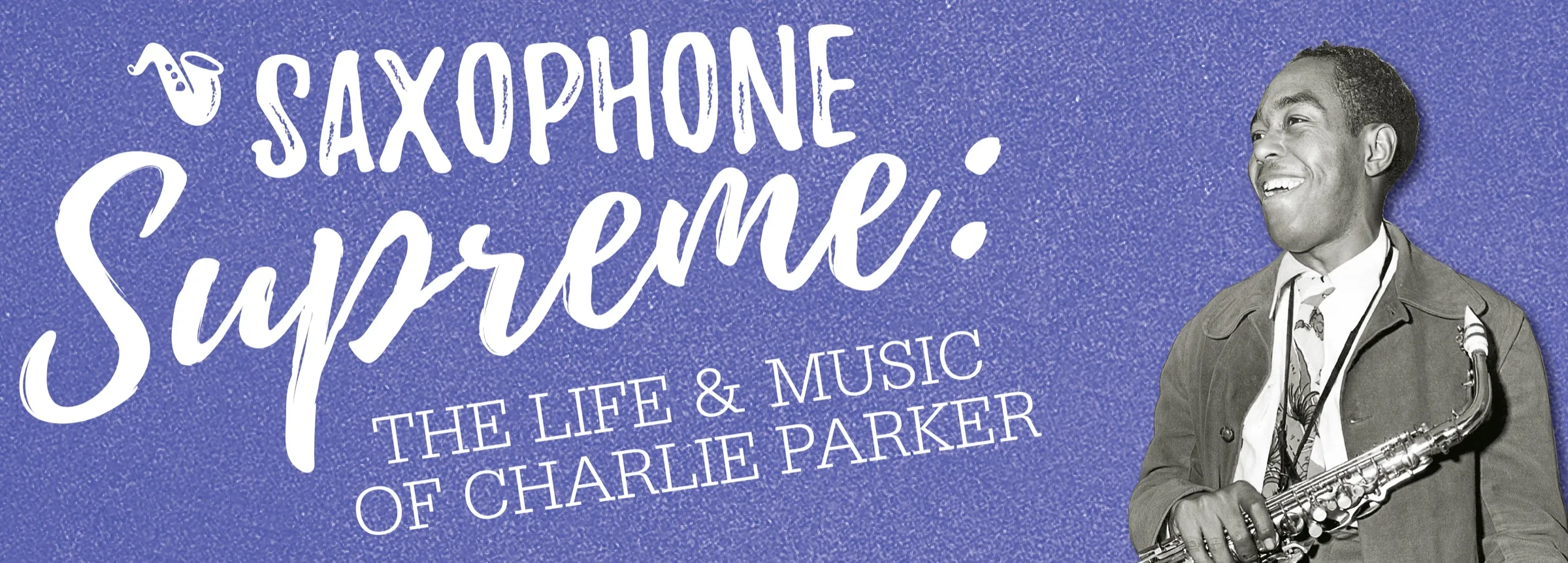
Saxophone Supreme: The Life & Music of Charlie Parker
Extended due to popularity — on view in the Changing Gallery through August 30, 2026. A partnership with UMKC Libraries celebrating Charlie “Bird” Parker — the Kansas City–raised alto saxophonist who pioneered bebop and influenced generations of musicians, writers, artists, and filmmakers.
Explore the museum
Experience the story of jazz where it happened
Located in Kansas City’s historic 18th & Vine Jazz District, the American Jazz Museum celebrates jazz as a uniquely American art form through interactive exhibits, educational programs, live performances, and one-of-a-kind collections. From the earliest days of jazz to the present, the Museum invites visitors of all backgrounds to discover the sounds, stories, and spirit of America’s music — and is home to the Blue Room, a working jazz club, and the Gem Theater, a 500-seat performing arts venue.
Featured films
A People’s Journey
Horace M. Peterson, III Visitor Center. Begin your visit with an introduction to Kansas City’s rich African American history. Narrated by Lucile Bluford and featuring personal reflections from community members, A People’s Journey explores the cultural and historical significance of the 18th & Vine District and the people who helped shape its legacy.
Jazz Is…
Jazz Is… Theater. What is jazz? Through the voices of legendary musicians including Max Roach, Jay McShann, David Baker, and Shirley Horn, this film explores jazz as an art form, a cultural tradition, and a way of life. Their personal stories offer insight into the creativity, discipline, and passion that define the music.
The permanent gallery
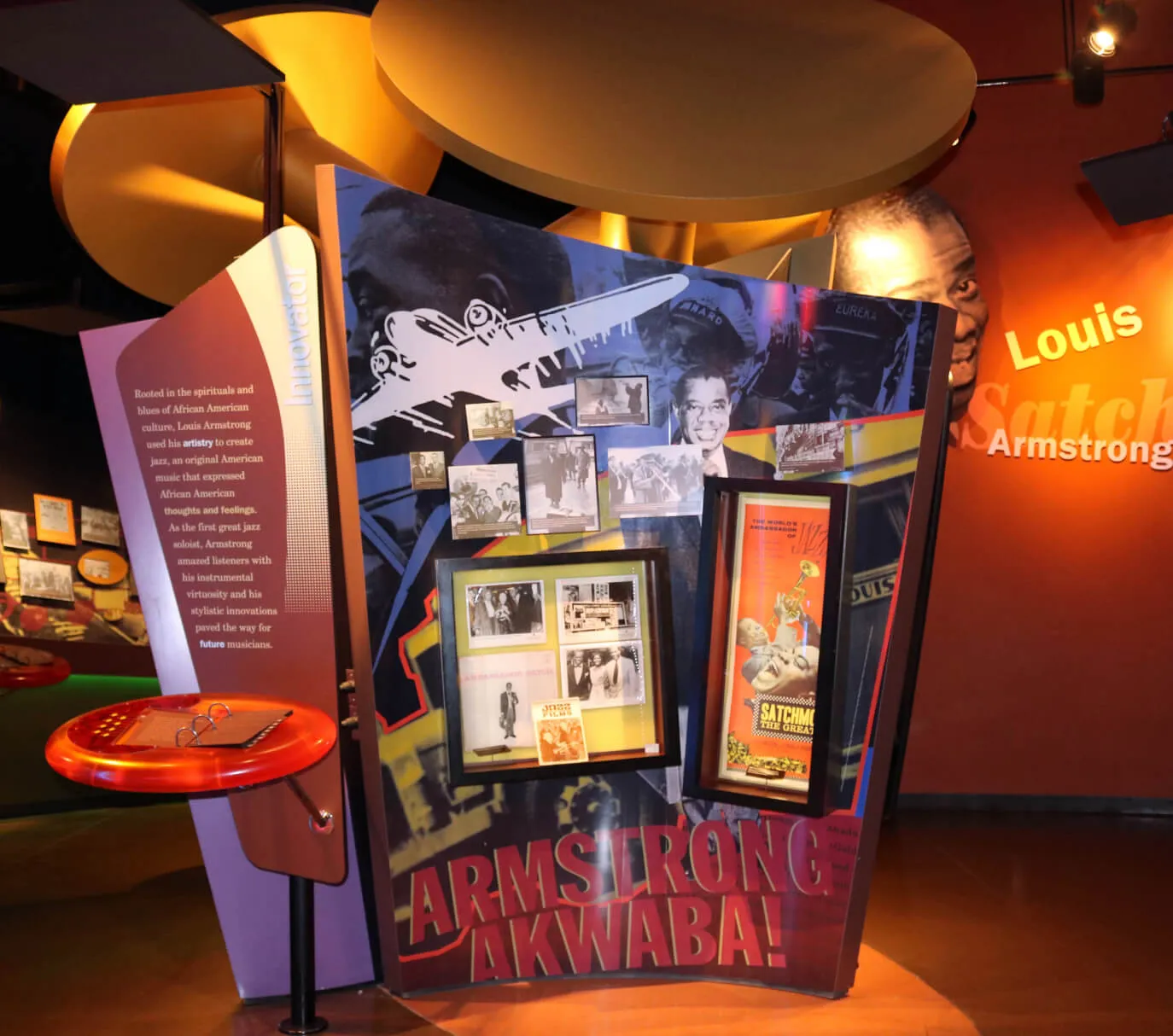
Four Jazz Masters
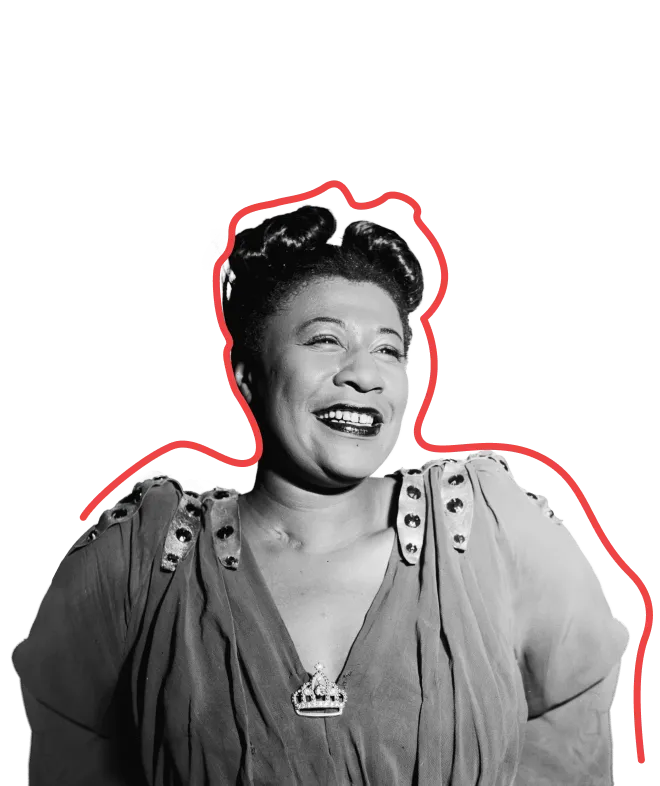
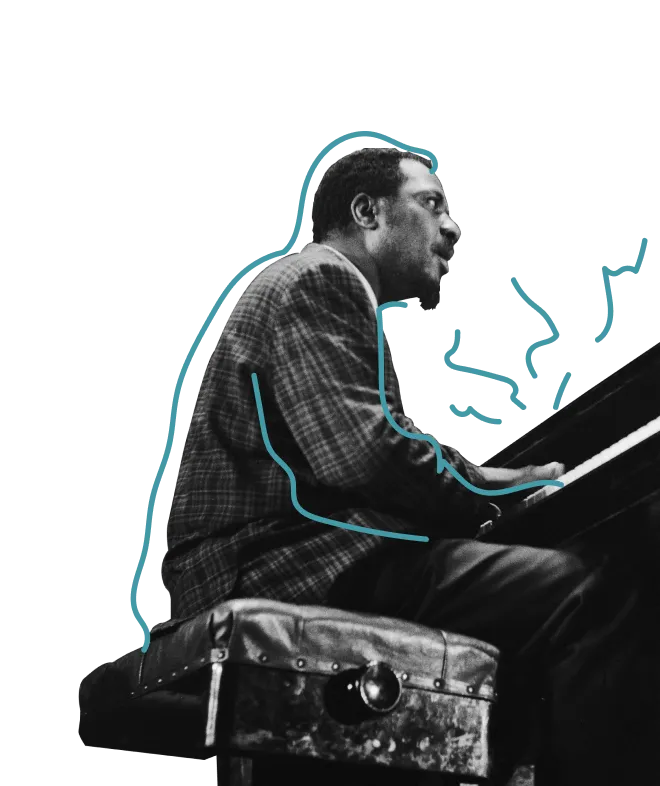
Discover the lives and legacies of four of jazz’s most influential artists: Louis Armstrong, Charlie Parker, Ella Fitzgerald, and Duke Ellington. Through historic artifacts, photographs, and dedicated listening stations, visitors can explore how each musician transformed the sound of jazz and helped shape its evolution across generations.
Studio 18 & Vine
Step into the creative process of jazz. Through hands-on interactives, Studio 18 & Vine introduces visitors to the building blocks of music — rhythm, harmony, melody, and improvisation. Explore the instruments of jazz and learn how musicians combine technique, creativity, and collaboration to create their own unique sound.
Jazz & Technology
From early radio broadcasts to recorded music and emerging audio technologies, innovation has played a critical role in the spread of jazz. This exhibition examines how advances in technology expanded access to music, transformed the listening experience, and helped carry jazz from local communities to audiences around the world.
Album Art
Album covers have long served as a visual expression of jazz culture. Featuring more than thirty album covers from the mid-twentieth century, this exhibition explores the relationship between music, design, and identity. Discover how artists, photographers, and designers helped define the visual language of jazz while reflecting broader cultural and artistic movements.
Ida McBeth Gallery
Named in honor of Kansas City jazz vocalist Ida McBeth, this gallery hosts rotating exhibitions that highlight new stories, perspectives, artists, and collections. Each exhibition offers visitors fresh opportunities to engage with jazz history, culture, and creativity.
Jazz on Film: The John H. Baker Film Collection
Experience rare and historic footage from one of the world’s most significant African American film collections. This exhibition features selections from the John H. Baker Film Collection, including films focused on African American dance, women in jazz, Duke Ellington, and the big band era. Visitors can view films across multiple screens and learn about the life and work of John Baker, the historian and collector whose dedication preserved these important cultural records.
The Blue Room
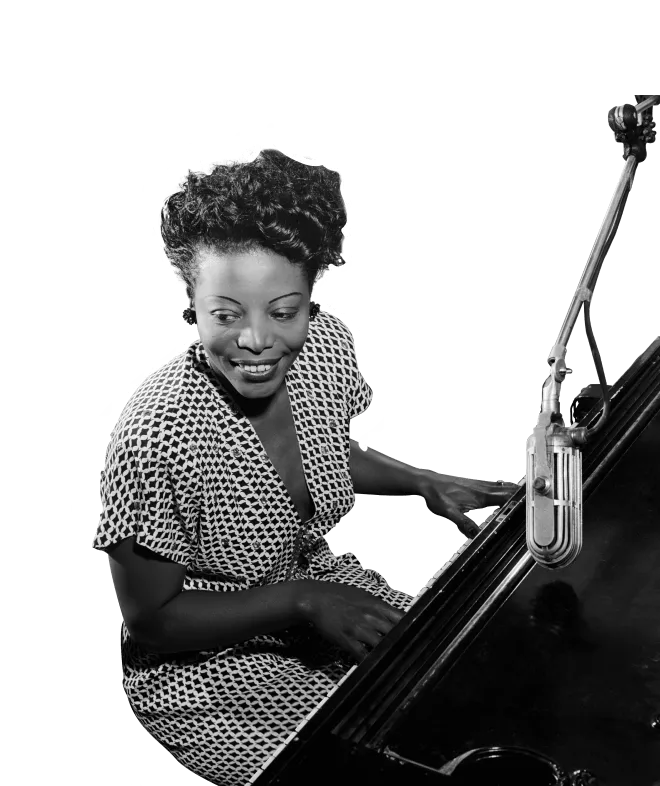
Part exhibition space and part working jazz club, the Blue Room captures the atmosphere of the legendary clubs that once defined Kansas City nightlife. Explore exhibits dedicated to influential Kansas City musicians such as Jay McShann, Count Basie, and Mary Lou Williams, then take in the Wall of Fame, featuring more than one hundred photographs honoring artists who helped shape the city’s enduring jazz legacy. Through live performances and historical interpretation, the Blue Room connects the history of Kansas City jazz with its vibrant present.
Collection highlights
As part of our mission and vision, the American Jazz Museum aims to exhibit a collection of artifacts that helps tell the story of jazz’s impact in Kansas City, the nation, and the world.
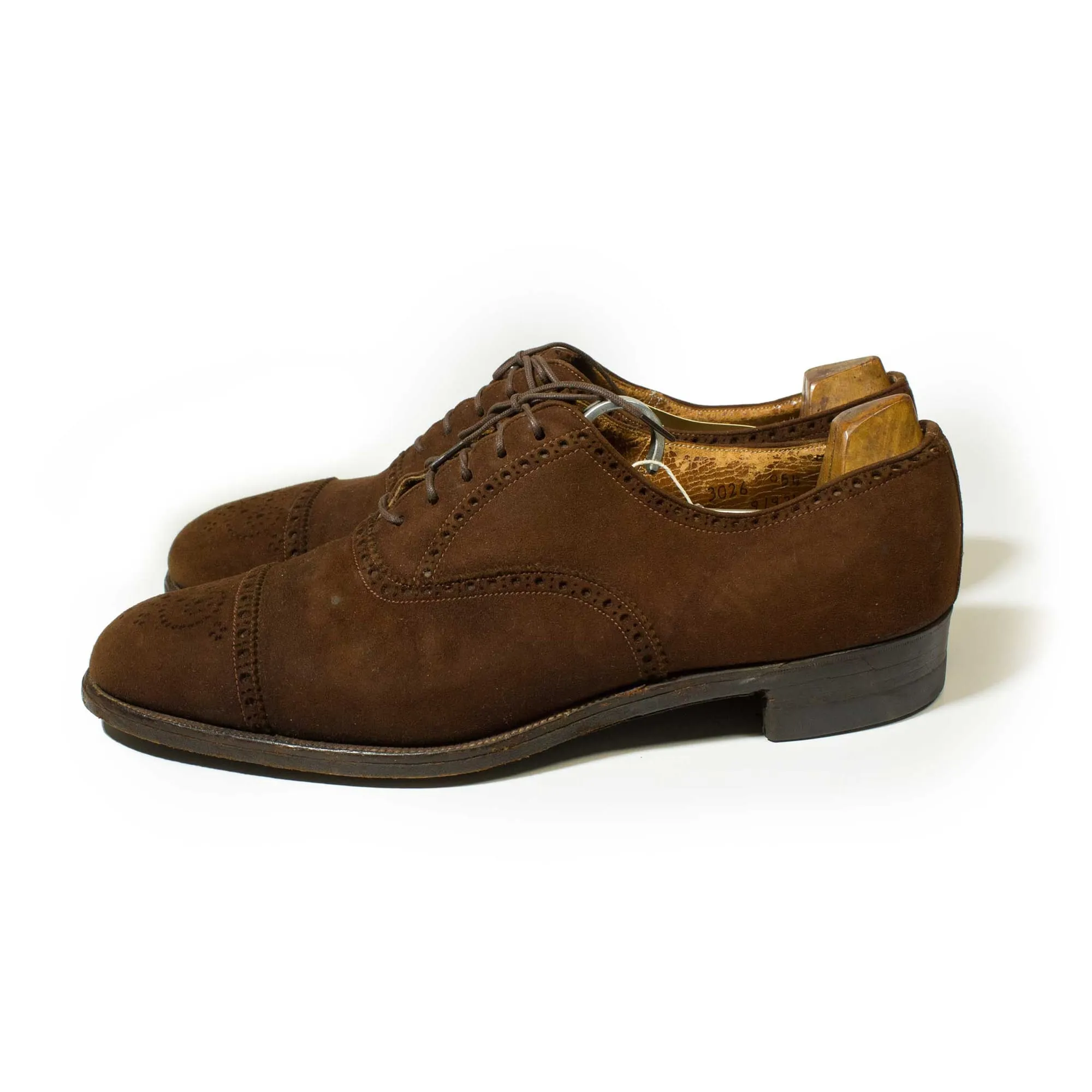
Benny Goodman's shoes
Benny Goodman (1909-1986) was a legendary jazz clarinetist and bandleader. Over the course of his career, Goodman made many contributions to the world of jazz, including leading one of the nation’s first integrated jazz groups and ushering in the Swing Era, earning him the nickname “King of Swing.” These brown suede wingtip shoes were custom made for Goodman by Wildsmith Shoes in London. They were purchased by the museum in 2005 at an auction of jazz artifacts held by Guernsey’s Auction in New York City.
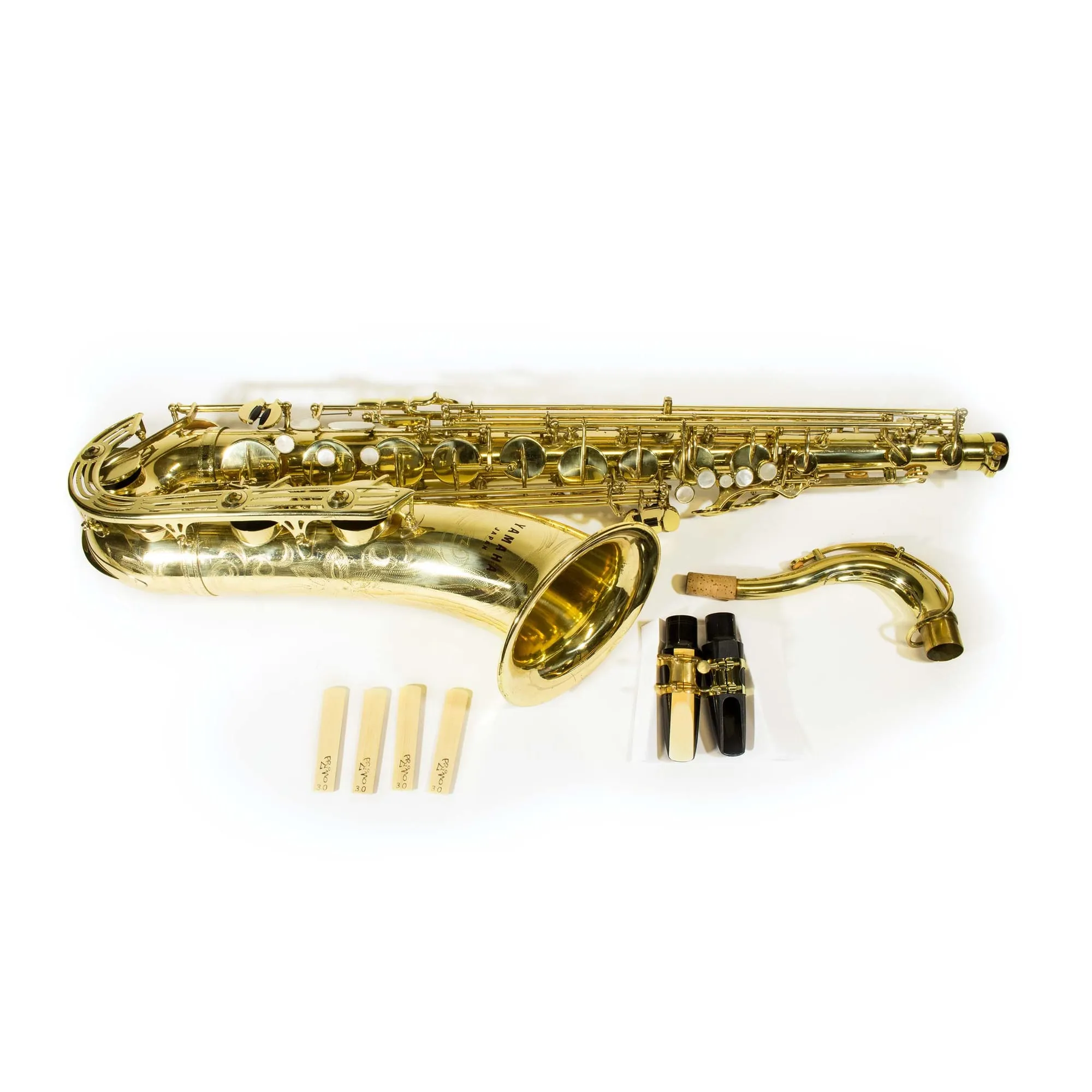
Harold Ashby's Saxophone
Harold Ashby (1925-2003) was jazz saxophonist and long-time member of the Duke Ellington Orchestra. Ashby began his jazz career in Kansas City in the 1940s and later moved to Chicago to explore the blues scene of the 1950s. In 1957, Ashby moved to New York to meet up with Ben Webster, another Kansas City native, and began freelancing for bandleaders such as Count Basie and Mercer Ellington, Duke Ellington’s son. By 1968, Ashby was a regular member of the Duke Ellington Orchestra and remained with the group until Ellington’s death in 1974. This saxophone, owned by Ashby since the 1970s, was purchased from him by the museum in 2000.
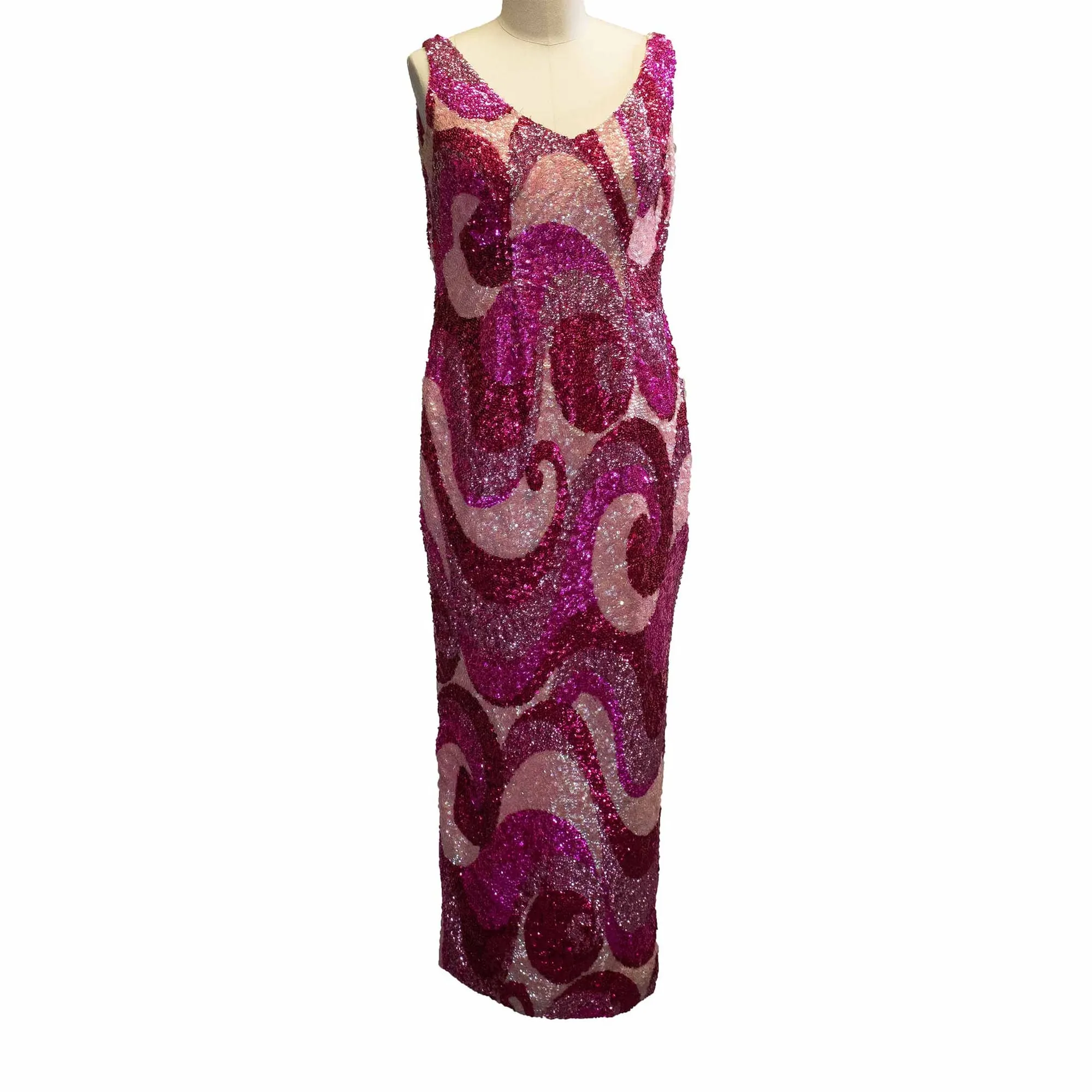
Myra Taylor's Dress
Myra Taylor (1917-2011) is one of Kansas City’s jazz legends. Born in Bonner Springs, Kansas, Taylor moved to Kansas City’s 18th & Vine district with her family when she was a young child. As a teenager, Taylor began dancing in jazz clubs along 12th and Vine and eventually began singing as well. By the 1930s, Taylor was touring the country as a vocalist with the Clarence Love Orchestra and Harlan Leonard and His Rockets. Taylor traveled the globe for decades, performing in USO shows during World War II, the Korean War, and Vietnam, and touring with her group The Big Spenders. After returning to the U.S., Taylor settled in California and landed multiple roles in film and television. She returned to Kansas City in the 1990s and graced the Blue Room stage for multiple performances. This sequin gown was worn by Taylor during her time with The Big Spenders.
Research services
The Collections Department is happy to facilitate research of American Jazz Museum collections. To inquire about the collection, use of an image, or for help with a current research project, download the Research Request Form and email the completed form to [email protected].
Collection donations
The collections of the American Jazz Museum represent the experience of Jazz as an original American art form and the unique musical heritage of Kansas City’s Jazz District at 18th and Vine. Donations to the collections are considered on a case-by-case basis. Special consideration is given to materials relating to the four jazz masters exhibited in the museum – Charlie Parker, Ella Fitzgerald, Duke Ellington, and Louis Armstrong.
To inquire about donating to the American Jazz Museum, contact the museum at [email protected] or (816) 474-4469. Please provide your first last name, email, phone number, and a detailed description of the item(s) you wish to donate. Please note that AJM does not accept donation drop offs without prior communication and approval. For further information on donating items to the collection, please see our Donation FAQ Sheet.